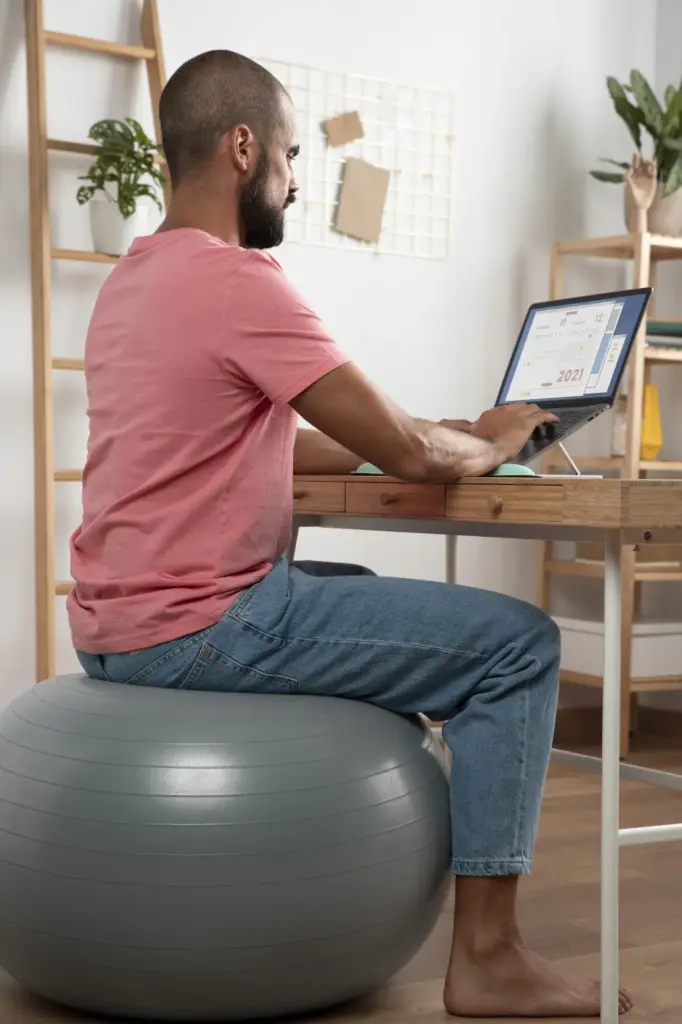
Start Where You Sit

Wake Up the Spine

Begin with seated cat–cow, then add gentle thoracic rotations, letting your gaze follow your elbow while your sit bones stay heavy. Finish by lengthening tall on an exhale, imagining space between each vertebra. Two minutes here can dissolve midday slumps and revive attention.
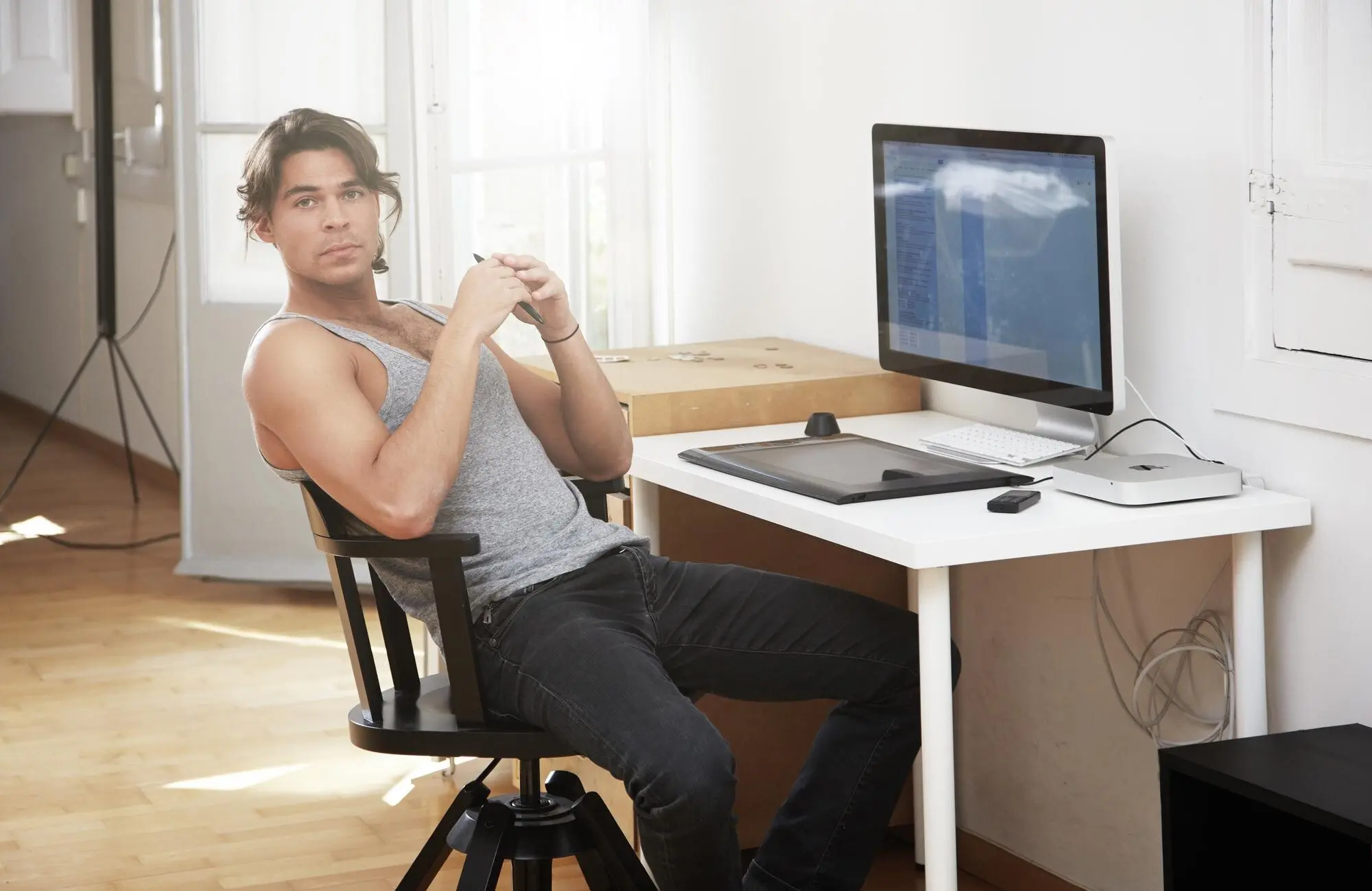
Happy Wrists and Forearms

Begin with seated cat–cow, then add gentle thoracic rotations, letting your gaze follow your elbow while your sit bones stay heavy. Finish by lengthening tall on an exhale, imagining space between each vertebra. Two minutes here can dissolve midday slumps and revive attention.

Unknot Neck and Jaw

Begin with seated cat–cow, then add gentle thoracic rotations, letting your gaze follow your elbow while your sit bones stay heavy. Finish by lengthening tall on an exhale, imagining space between each vertebra. Two minutes here can dissolve midday slumps and revive attention.

Box Breathing in Silence

Inhale through the nose for four, hold for four, exhale for four, and pause for four, counting mentally while you continue typing or reading. After three cycles, tension softens, shoulders drop, and your inner monologue quiets, even if notifications keep arriving.

Relax Your Eyes

Follow a near–far focus drill: gaze at your thumb, then a distant object, switching smoothly while blinking. Rub palms together, cup them lightly over closed eyes, and breathe. Visual fatigue eases, headaches retreat, and screen brightness feels friendlier without changing settings.

Sixty-Second Reset

Stand, inhale right as arms sweep overhead, then exhale folding halfway, hands to thighs, spine long. Repeat twice, finish with a slow squat to chair and rise back up. Within one minute, blood moves, fog thins, and you reclaim momentum without strain.

Design a Workspace That Moves

Your environment can invite frequent, gentle motion instead of freezing you in a single posture. By adjusting monitor height, chair depth, and reachable tools, you reduce friction for standing moments, stretch breaks, and posture resets, making healthy choices feel automatic during demanding days.

Evidence, Stories, and Momentum

Short, regular movement snacks improve glycemic control, circulation, and musculoskeletal comfort, according to recent workplace studies. Paired with breathing drills, people report steadier moods and clearer thinking. Add lived stories from readers, and the practice becomes contagious, practical, and surprisingly joyful across hectic weeks.

Habit Architecture for Busy Schedules

To make movement inevitable, anchor it to existing routines: calls begin standing, emails end with a breath, and coffee prompts a hip opener. Friction falls, identity shifts, and micro-wins accumulate, turning a scattered day into a steady cadence your body trusts.

Calendar Cues and Gentle Alarms

Rename recurring events with micro-flow prompts, and choose chimes that feel friendly, not urgent. Place stretches at natural boundaries like meetings, meals, and breaks. When reminders celebrate progress instead of scolding, you return willingly, building resilience and playful curiosity around movement.

Micro-Streaks That Survive Chaos

Commit to one non-negotiable minute daily, track it with a visible sticker or app, and let the minimum count. On overloaded days, the streak lives; on spacious days, it grows. This compassionate approach preserves momentum and invites joyful bonus sessions whenever energy appears.

Community Keeps You Consistent

Invite a colleague to a shared timer, swap favorite chair stretches, and celebrate weekly check-ins with a short standing flow together. Social accountability transforms intentions into action, deepens learning through storytelling, and makes progress feel like a friendly game rather than a chore.

Safe, Inclusive Progress for Every Body

You deserve practices that respect injuries, mobility differences, energy fluctuations, and cultural contexts. With options from fully chair-based to light standing sequences, you can progress gradually, consult professionals when needed, and trust signals from your body without comparison, pressure, or perfectionism.

Know Your Red and Yellow Flags

Sharp pain, numbness, or radiating sensations are clear stop signs; lingering soreness, dizziness, or breathlessness deserve caution and rest. Modify ranges, slow the tempo, and prioritize smooth breathing. When uncertainty persists, consult a clinician to tailor movements for your context.

Chair-Based Strength, Not Just Stretch

Press feet into the floor, squeeze glutes lightly, and isometrically pull hands apart on a towel to awaken strength without joint strain. Mix gentle mobility with tiny contractions, building stability for standing flows while staying seated when balance or pain requires it.

A Thirty-Day Path You Can Adapt

Week one explores breath and posture awareness; week two adds upper-body flows; week three introduces hips and hamstrings; week four layers standing options and playful challenges. Keep intensity optional, celebrate rest days, and log wins. Progress becomes a conversation, not a verdict.
Davonexonilovexoxarilivo
Privacy Overview

This website uses cookies so that we can provide you with the best user experience possible. Cookie information is stored in your browser and performs functions such as recognising you when you return to our website and helping our team to understand which sections of the website you find most interesting and useful.