Breathe, Align, and Thrive Between Calls
Today we explore breathwork and posture resets between video calls, turning tiny gaps into powerful recovery moments. You’ll learn quick, science-informed breathing patterns and simple alignment cues you can apply before, during, or after meetings. Expect practical steps, supportive stories, and gentle accountability nudges that fit busy calendars without requiring special gear, private space, or awkward routines.
Box Breathing in a Busy Lobby Screen
Inhale through the nose for four counts, hold gently for four, exhale slowly for four, and pause for four before repeating. Keep shoulders soft, jaw unclenched, and eyes relaxed on something non-digital. This even rhythm helps steady heart rate, smooth thinking, and prevent reactive speech as you pivot from one context to another without bringing old tension forward.
Stacking the Spine Without Stiffness
Find your sit bones, lengthen the back of your neck, and float your ribcage over your pelvis without forcing a military posture. Imagine your sternum as a compass pointing slightly forward and up, while your lower ribs nest comfortably. This balanced stack frees the diaphragm, eases pressure in the low back, and helps your voice project with clarity during the next hello.
The 60-Second Shoulder Unshrug
On a long exhale, gently draw shoulders up, back, and down, then slide shoulder blades toward opposite back pockets. Add a doorway pec stretch or simple arm circles, timed to slow breathing. As upper traps soften, head position recalibrates, typing becomes smoother, and you avoid the creeping ache that quietly steals attention during the most important moments of discussion.
Ergonomics You Can Adjust in Under a Minute
Small environment tweaks reduce strain without an expensive chair or elaborate gear. A camera at eye level spares your neck, while a slight hip hinge unlocks the pelvis and breathing space. Wrist-neutral typing, forearms supported, and feet grounded distribute load wisely. These fast changes amplify every breath practice, because your body no longer fights the setup while trying to relax.


From Screen Fatigue to Alert Calm
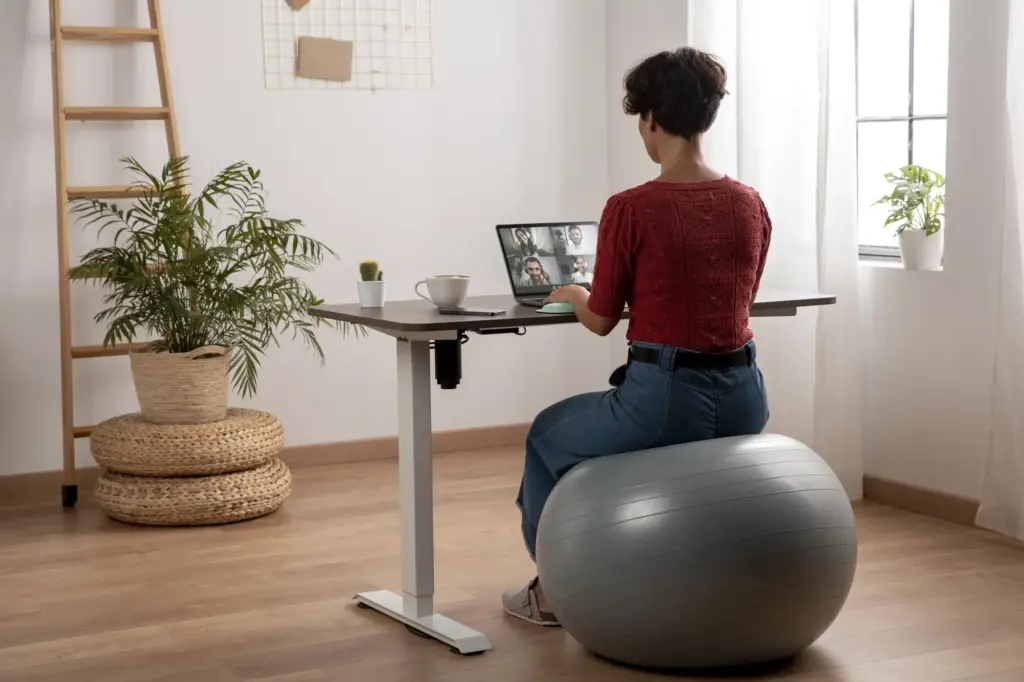
Prolonged video time narrows vision, stiffens facial muscles, and saps posture. Strategic breathing and gaze resets counter these effects by widening peripheral awareness and nudging the nervous system toward steadier activation. Combined with brief movement, these practices can transform exhaustion into a calm, alert presence that listens better, speaks more clearly, and ends the day with energy still available for life.
Micro-Stories From Real Workdays
Tiny rituals change outcomes. People report steadier moods, kinder reactions, and fewer headaches when they add breath and alignment between calls. These short stories illustrate what actually works during chaotic schedules, where toddlers interrupt, deliveries arrive, and calendars stretch. Notice how repeatable, humane practices outperform heroic willpower, unlocking a day that feels more chosen, less chased, and surprisingly generous.
Breathing Patterns Matched to Meeting Types
Different conversations demand different nervous system settings. Some moments call for bright focus without jitters, others for deep empathy or decompression. By pairing specific breath ratios with posture cues, you can tune alertness, connection, and recovery on purpose. These choices become invisible superpowers that make collaboration smoother while protecting your voice, energy, and the patience required for real listening.



Build a Sustainable Between-Calls Habit
The best routine is the one you actually use. Attach breathwork and alignment to existing triggers like calendar dings or meeting wrap-ups. Prepare a small kit—timer, water, and a folded towel—to remove friction. Track mood and tension after each call, not perfection. Share progress with a colleague for accountability, because community quietly multiplies consistency without demanding complicated systems.