The circulation reset

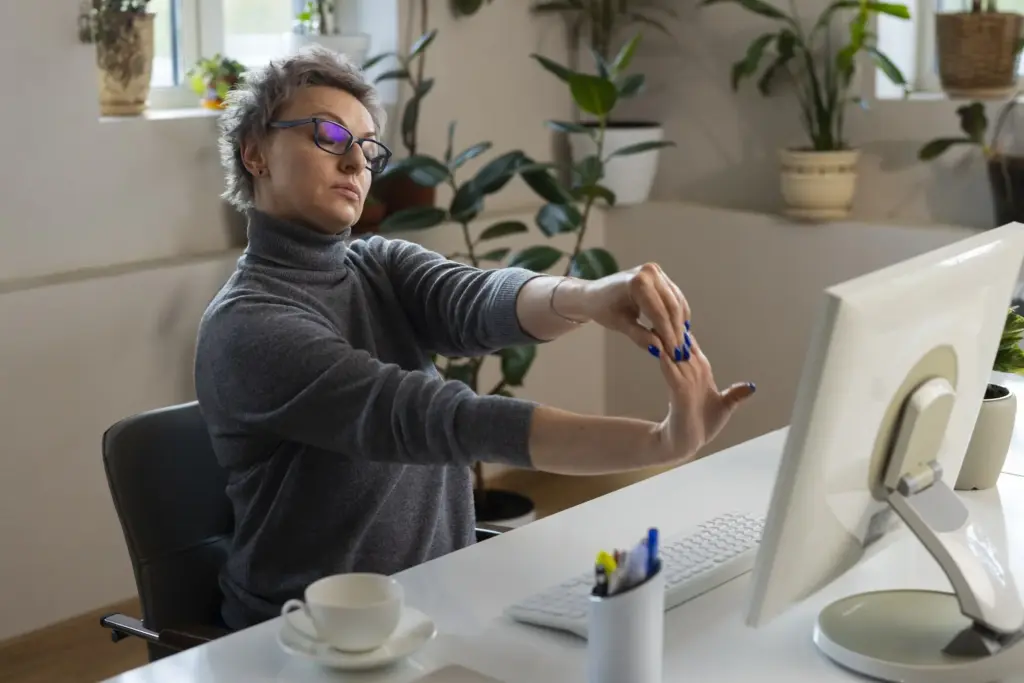
In under two minutes, gentle ankle pumps, calf raises, and shoulder openings act like a mini circulatory pump. Blood redistributes from compressed areas, hands warm, and forearms relax. That quick reset often diffuses tingling and helps wrists feel ready for precise typing again.

Attention reboot

Brief mobility breaks refresh attentional resources by shifting sensory input and breathing patterns. Looking away from screens, expanding the ribcage, and moving the neck invite a different stimulus, which research associates with reduced mental fatigue and quicker task resumption without heavy willpower or additional caffeine.

Pain prevention in plain sight

Micro-movements gently load tissues in varied directions, discouraging the slouch‑and‑freeze posture that feeds shoulder impingement, lower‑back stiffness, and tension headaches. Two consistent minutes, repeated through the day, accumulate like interest, protecting comfort and preventing small discomforts from consolidating into chronic pain patterns.

Start Anywhere: No-Equipment Routines

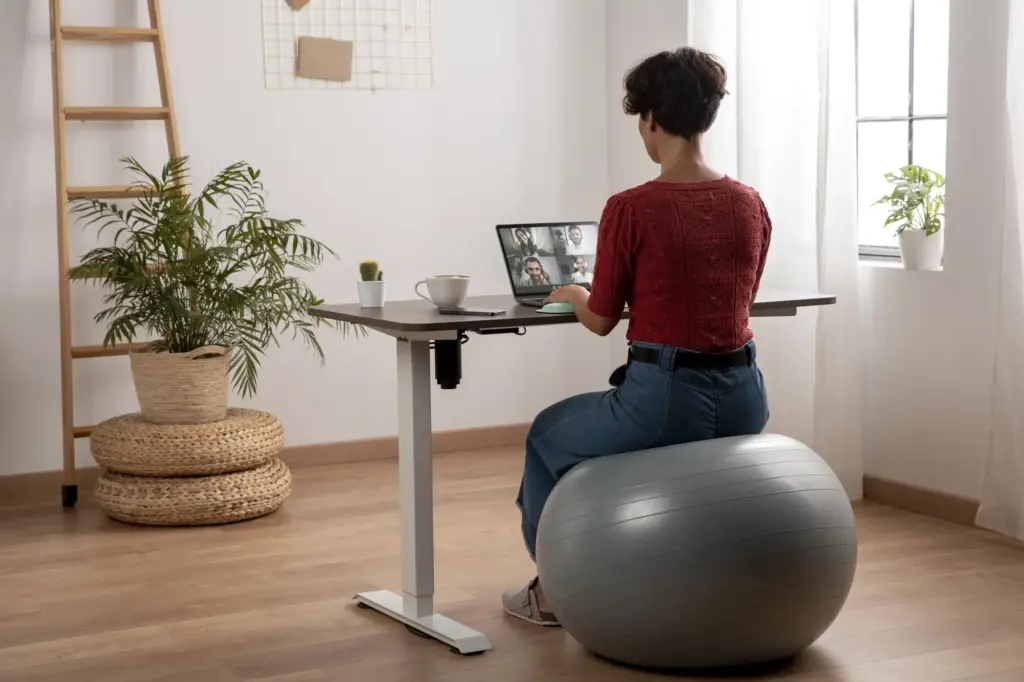
You don’t need a mat, athletic clothes, or a spare room. Two-minute mobility breaks thrive amid coffee mugs, kitchen counters, and meeting tabs. Using your chair, a wall, or the desk itself, you can cycle joints through friendly ranges and return ready to type, talk, and think.

Science Snapshot: What Two Minutes Can Do

While marathon workouts matter for fitness, microbreaks change your workday physiology. Occupational health literature notes that frequent, very short movement bouts can reduce discomfort, improve perceived energy, and sustain performance. In two minutes, joint lubrication, muscle perfusion, and breath mechanics meaningfully shift, helping minds and bodies cooperate again.

Blood flow and synovial magic

Gentle cycles of bending, straightening, and rotation stimulate synovial fluid movement, feeding cartilage that relies on motion for nourishment. Meanwhile, contracting and relaxing large muscles encourage venous return. That combination eases stiffness, supports nutrient exchange, and creates a perceivable lightness that primes you for the next cognitive sprint.

Nervous system downshift

Slow inhales, longer exhales, and gentle joint motions can nudge the autonomic nervous system toward parasympathetic balance. This downshift reduces perceived threat, quiets protective muscle guarding, and improves coordination, which is why brief movement breaks often feel emotionally stabilizing during accelerated deadlines and dense communication threads.

Energy without caffeine

Instead of another cup, move for two minutes. A slight heart‑rate rise, deeper breathing, and posture change deliver a cleaner alertness that doesn’t spike and crash. Many remote workers report steadier afternoons when they pair microbreaks with water, sunlight, and a quick look at something far away.

Make It a Habit Without Trying

Consistency beats intensity for mobility. Tie two-minute breaks to reliable cues: calendar alerts, call endings, beverage refills, or password entries. Remove friction by saving favorite sequences, keeping water nearby, and standing during loading screens. Momentum appears when decisions shrink, and movement becomes the obvious, pleasant next step.

Two-Minute Sequences You’ll Actually Do

Practicality wins. These micro routines fit between emails and during file uploads, needing no change of clothes or layout. Each sequence blends gentle mobility, breath, and posture resets. Experiment, swap moves you love, and keep your favorites bookmarked so returning takes seconds and consistency becomes pleasantly inevitable.

Real Stories from the Home Office

These quick interruptions become meaningful when they meet real lives. Programmers, designers, managers, and teachers report fewer headaches, warmer hands, calmer meetings, and unexpectedly creative bursts after two minutes of movement. Their experiences remind us that comfort fuels output, and tiny adjustments can reshape entire weeks of work.
Davonexonilovexoxarilivo
Privacy Overview

This website uses cookies so that we can provide you with the best user experience possible. Cookie information is stored in your browser and performs functions such as recognising you when you return to our website and helping our team to understand which sections of the website you find most interesting and useful.