Foundations for Screen‑Smart Alignment

Before chasing advanced mobility, establish simple anchors that stack your head over your ribs and your ribs over your hips. This baseline reduces strain and primes every stretch to work better. We will explore how breath, gaze, and shoulder blade position shape comfort during long sessions. Along the way, you will hear a short office story showing how a tiny change in chair distance saved a designer from weekly migraines and late night neck throbs.

Morning Mobility Circuit for a Clearer Head

Wake up stiff joints gently before email takes over. In five to eight minutes, this circuit opens the front of your chest, activates your deep neck flexors, and nudges your upper back into friendly extension. You will stand taller without forcing it. Play soft music, keep breathing smooth, and move through comfortable ranges. If something pinches, back off a little and slow down. Small, smooth arcs win over big, aggressive pulls every single morning.

Chin Tucks with Reach and Breathe

Slide your chin slightly backward as you lengthen through the crown, then extend your arms at shoulder height, palms forward, spreading fingers like sunlight. Inhale into your side ribs, exhale to feel shoulder blades glide. Ten slow reps create space and steady, wakeful energy.

Thoracic Opener at the Wall

Stand a forearm's length from a wall, elbows bent, forearms vertical. As you inhale, press gently and imagine the sternum floating up while ribs widen. Keep chin tucked, eyes soft. Two rounds of five breaths reduce slouching and gift your neck honest relief.

Midday Desk Flow Without Leaving Your Chair

Plant both feet, sit on your sit bones, and grow tall. Reach one arm overhead, lengthen through the ribs, and arc gently to the opposite side while the lower hand anchors the chair. Breathe wide, switch sides, and feel space bloom across shoulders and neck.
Cross arms over your chest, keep chin softly retracted, and rotate to one side as your eyes trace the horizon. Pause, breathe, and let exhalation carry a few extra degrees. Alternate sides for two minutes to revive posture and reduce creeping desk fatigue.
If a doorway is nearby, place forearms on the frame at shoulder height, step forward carefully, and breathe into the stretch without pushing pain. Keep ribs stacked over hips. Thirty to sixty seconds awakens the front line and frees your neck from constant tugging.

Supine Decompression with a Towel Roll

Lie on your back, place a soft towel roll under the curve where skull meets neck, and allow weight to drape rather than push. Breathe wide into the back ribs. After ninety seconds, notice jaw ease, throat spaciousness, and a felt sense of grounded clarity.

Box Breathing with Shoulder Melt

Inhale for four, hold for four, exhale for four, pause for four, while letting shoulders slide down toward pockets. Repeat five cycles. The rhythm quiets stress chemistry, releases sneaky bracing, and invites your neck extensors to finally rest without fighting gravity.

Gentle Nerve Glide for Hands that Type All Day

Extend one arm to the side, palm up, fingers long. Tilt head away slightly, then bend wrist to lengthen, easing back when tingling appears. Slow, small arcs soothe irritated pathways. Alternate sides for a minute, finishing with soft shakes and comfortable shoulder circles.

Workspace Tweaks that Supercharge Comfort

Good movement begins with a friendly environment. Lift screens so the top edge sits near eye level, scoot chairs close enough to relax shoulders, and align hips so feet rest firmly. A trackpad or mouse should not pull elbows wide. Phones deserve eye level too. When your setup supports neutral alignment, every stretch lands deeper and lasts longer, transforming quick breaks into reliable relief rather than temporary escapes that fade by lunch.

Screen and Seat Geometry that Helps You Breathe

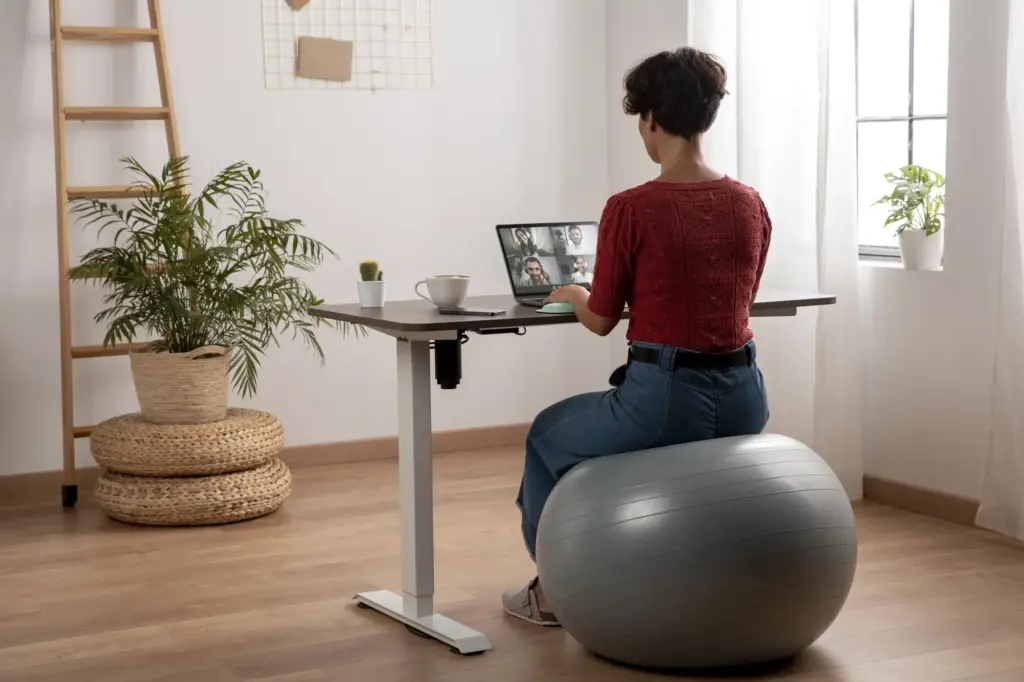
Set monitor height to eye level, center the display, and keep about an arm's length distance. Sit so hips are slightly higher than knees, allowing ribs to stack easily. This geometry lets the diaphragm move, easing neck strain with every calm exhale.

Keyboard and Mouse Paths that Do Not Fight You

Bring input devices close, elbows near your sides, wrists neutral, and shoulders relaxed. Try a light touch. If you notice pinky or thumb tension, downsize the mouse or adjust sensitivity. Smooth paths reduce gripping, cutting a hidden source of neck guarding and fatigue.

Phone Habits that Stop the Downward Spiral

Hold phones at eye level, rest elbows on pillows or desks, and prefer voice messages during long threads. Switch sides when carrying bags. Use a gentle reminder on the lock screen. Reduce repetitive downward gaze and your neck thanks you with durable, quiet ease.

The Two Minute Rule that Beats Overwhelm

Commit to just two minutes when resistance appears. Often you will continue longer, but even the minimum counts and maintains identity momentum. Pair the rule with breathing, and watch consistency grow during busy seasons without guilt, drama, or exhausting willpower battles.

Trigger Action Plans for Real Workdays

Attach moves to existing cues. After hitting send, perform ten chin tucks. While coffee brews, open your chest. When a meeting ends, stand and breathe to the horizon. The pairing removes decision fatigue and makes relief feel obvious rather than optional.

Safety, Variations, and Smart Support

Bodies differ, and comfort matters more than copying perfect images. If you have dizziness, recent injury, or persistent numbness, consult a clinician who understands movement. Work within comfortable ranges and progress in weeks, not days. Swap exercises that irritate for gentler neighbors serving the same purpose. Your system learns through repetition, not force. With care, you will build resilience that respects your history and still moves confidently toward lighter, clearer days.
Davonexonilovexoxarilivo
Privacy Overview

This website uses cookies so that we can provide you with the best user experience possible. Cookie information is stored in your browser and performs functions such as recognising you when you return to our website and helping our team to understand which sections of the website you find most interesting and useful.