Start Smart: Safety, Alignment, and Setup
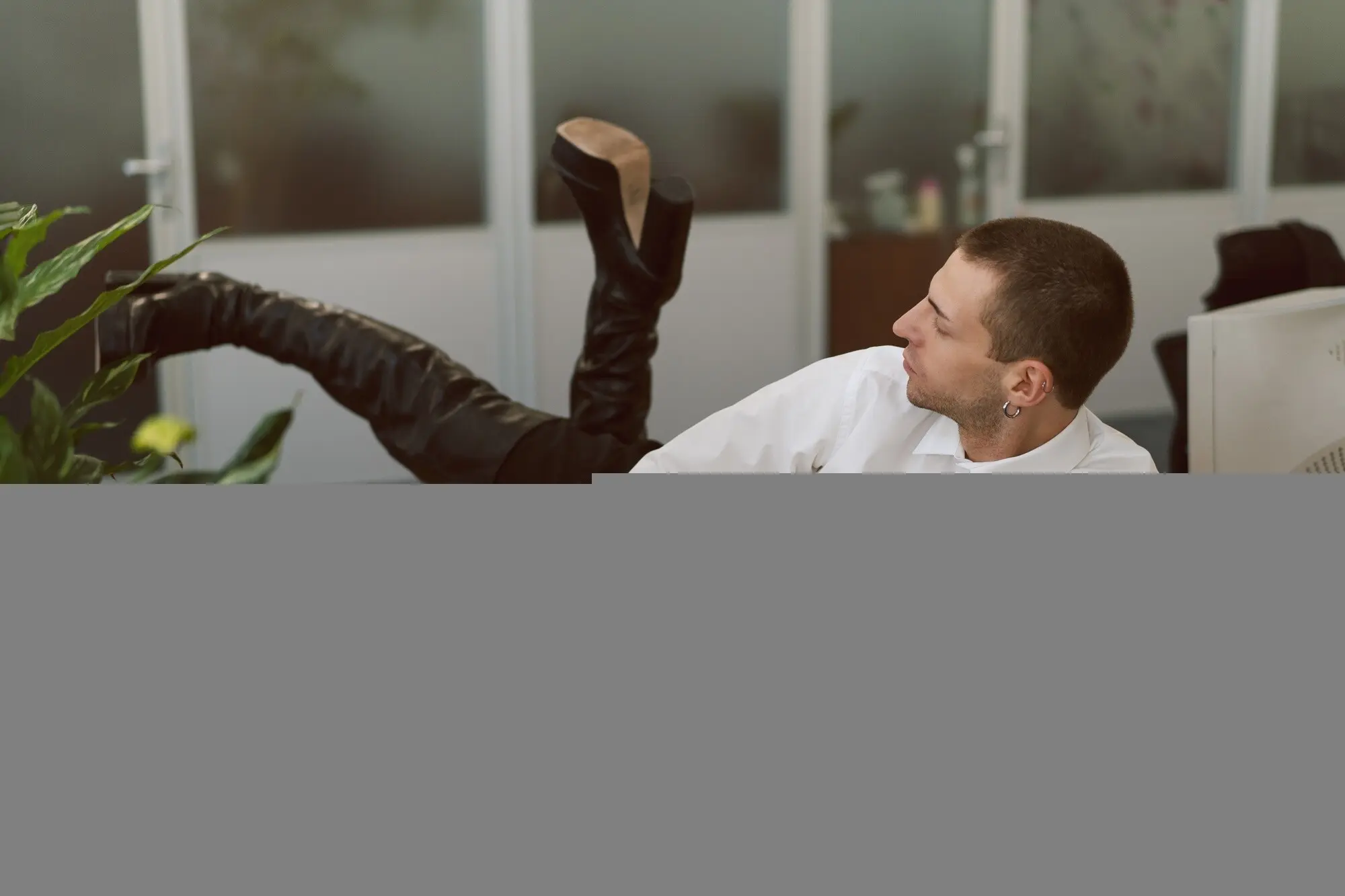
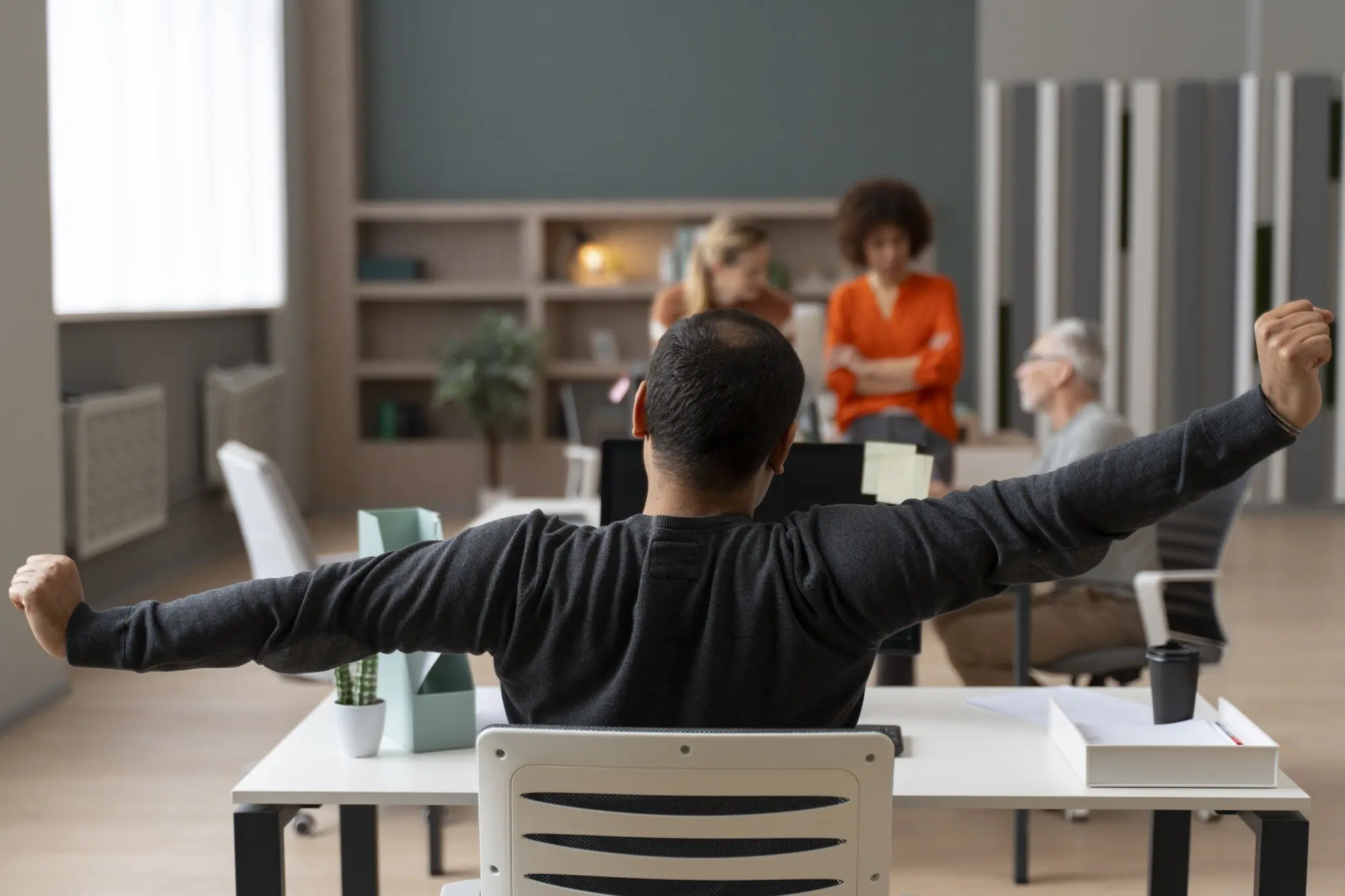
Before moving, set a supportive foundation so each repetition feels confident rather than improvised. We will align hips over heels, lengthen through the crown, and coordinate breath with intention. A stable chair, uncluttered floor, and an open mindset transform tiny minutes into meaningful progress. These simple checks reduce strain on wrists, neck, and lower back, while sharpening proprioception so your workday transitions into movement practice without awkwardness or self-conscious detours.

Wake-Up Sequence for Stiff Mornings

When the first emails land and your body still feels sleepy, a five-minute sequence can brighten circulation and gently mobilize glued joints. This routine nudges spine, hips, and ankles awake without demanding clothes changes or heavy breaths. Small wins compound: improved blood flow, kinder posture, and a calmer nervous system to start the day feeling capable. Repeat after commuting, or whenever you notice slouching has quietly taken charge again.
Imagine your pelvis as a clock resting on the chair. On the exhale, roll to twelve, gently imprinting tailbone under; on inhale, tip to six, widening sitting bones. Continue to three and nine, exploring side-to-side glide. Synchronize movement with long, unforced breaths. The goal is supple control rather than big range, inviting lumbar segments to unstick and abdominals to wake up without bracing. Two slow minutes transform how your spine feels.
Slide your feet slightly forward and alternate pressing toes up, then heels up, as if waving hello to the floor. Add a gentle squeeze of the calves with each exhale, encouraging venous return from the lower legs. Keep posture buoyant, ribs soft, and neck relaxed. This subtle rhythm reduces desk-time heaviness, helps warm knees, and primes gait mechanics when you finally stand. Ninety mindful seconds create refreshing energy most coffee cannot match.
Let shoulders drift forward on an inhale, then float back and down on the exhale, as though tucking shoulder blades into back pockets. Add tiny neck slides: chin glides straight back, lengthening the back of the skull without tilting. Move slowly, noticing sticky corners. The combination decompresses upper traps, coaxes mid-back support, and restores head alignment over ribs. Finish with a sigh to release lingering tension before opening your calendar.

Core Activation Without Leaving Your Inbox

Core strength at your desk is about precision, not punishment. Exhale to recruit deep abdominals and pelvic floor while keeping the ribcage buoyant and shoulders at ease. Each drill integrates breath, posture, and gentle tension that steadies the spine without stiffness. Expect quieter movement, cleaner lines, and a satisfying sense of internal support. When notifications ping, you will feel anchored rather than rattled, ready to respond with calm focus.

Transverse Abdominis Zip and Ten-Second Holds
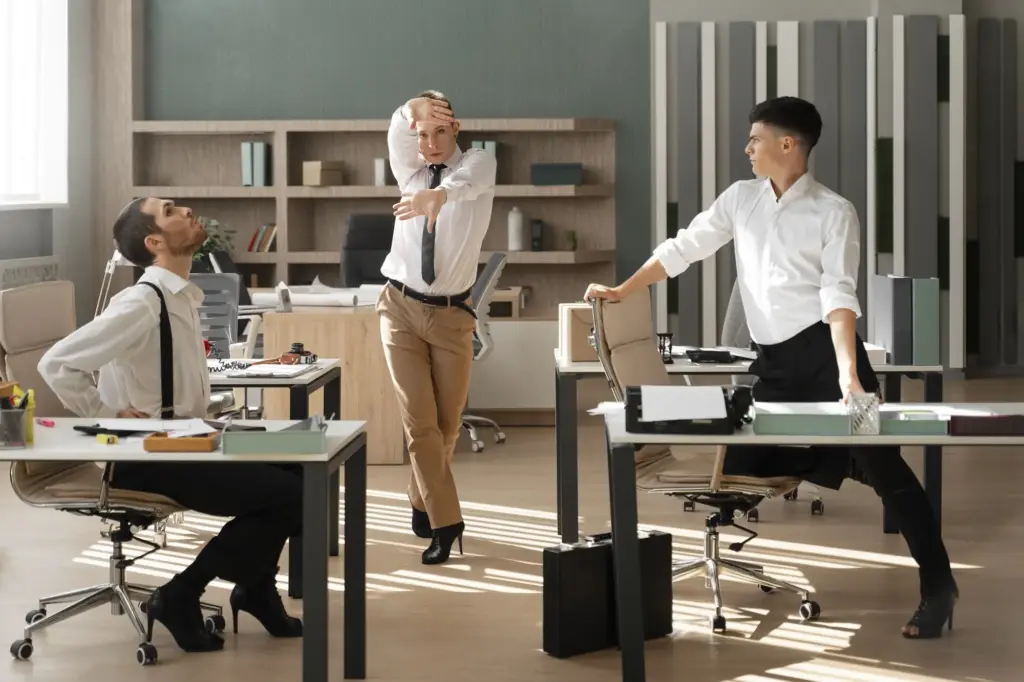
Rest fingertips just inside hip bones and imagine zipping from pubic bone to navel on a smooth exhale. Hold a whisper of tension for up to ten seconds while breathing quietly into the sides of the ribs. Release fully, then repeat. Seek subtlety: no belly sucking, no breath holding. This refined activation stabilizes the lumbar area, pairs well with seated tasks, and creates calm strength that lingers long after the timer stops.

Seated Marches with Quiet Pelvis

Maintain your deep-core zip and float one foot a few centimeters from the floor, alternating slow marches. Keep the pelvis level, ribs stacked, and eyes soft on the horizon. If you feel your spine wobble, reduce height and slow the rhythm. Two sets of controlled repetitions awaken hip flexors while teaching your center to resist wobble. The result is steadier sitting, easier walking breaks, and improved control during everyday transitions between tasks.

Posture Reset After Meetings

Long meetings compress the thoracic spine and dim breathing capacity. This reboot restores extension, rotation, and scapular strength without theatrics. Think nourishing length from seat to skull, ribs expanding like soft bellows, and shoulder blades that glide instead of grip. You will counter laptop slump, invite oxygen back in, and reappear on-screen brighter and more engaged. Consider it your humane antidote to slide-deck fatigue and hurried note-taking hunches that sneak into afternoons.

Seated Swan Arcs Against the Backrest
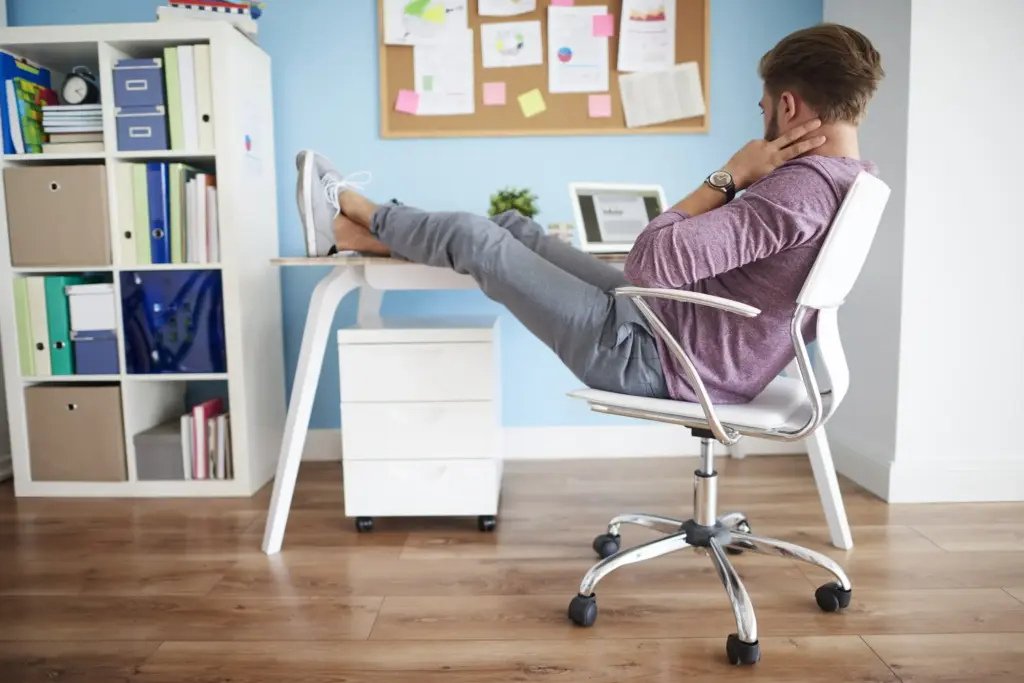
Scoot forward and lightly touch your mid-back to the chair, fingers interlaced behind the head. Inhale to lift the breastbone, elbows wide; exhale to lengthen up and forward, not collapsing. Imagine shining a small headlamp from sternum to ceiling. Move delicately, protecting the lower ribs from flaring. Three slow arcs open the upper back, refresh breath mechanics, and gently remind your body how confident, open posture can feel during demanding conversations.

Towel Pull-Aparts for Upper-Back Support
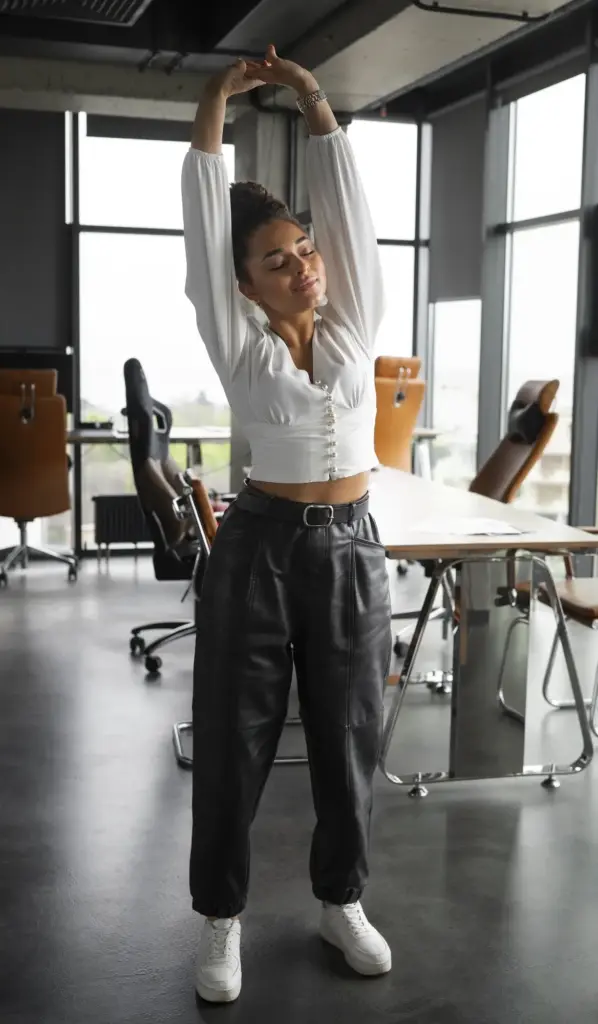
Hold a towel at shoulder height, hands slightly wider than shoulders. Inhale, then exhale to pull the towel apart while keeping collarbones broad and ribs anchored. Feel the lower traps hum as shoulder blades slide down. Avoid overworking the neck by keeping jaw soft and gaze steady. This simple prop drills helpful engagement patterns that make keyboards friendlier, headphones lighter, and presentations easier to deliver with quiet strength rather than tense effort.

Desk-Edge Chest Opener and Open Books

Place forearms on desk edge, elbows below shoulders, and step feet back slightly. Inhale to lengthen spine; exhale to soften the chest forward without collapsing the low back. Then sit sideways and perform tiny open-book rotations, following your top elbow with eyes. Move unhurriedly, letting breath guide range. These paired moves release pec tightness, wake thoracic rotation, and reorient your ribs for calmer, fuller breathing when another calendar invite appears unexpectedly.

Lower-Body Relief Between Calls

Sitting dims hip rotation, shortens hamstrings, and quiets glutes. These quick drills restore length and wake dormant support without stealing your schedule. You will feel smoother when standing, brighter when walking to refill water, and far less creaky during late-afternoon deadlines. Minimal space, zero fuss, and strong payoffs characterize each exercise. When repeated across the week, these minutes become the difference between stiffness and reliable, buoyant movement that sticks.

Stress Downshift and Focus Boost

When tasks stack like dominoes, the nervous system craves a calming switch. These quiet practices pair breath length, visual relief, and subtle body awareness to lower sympathetic noise without making you sleepy. Expect steadier attention, fewer shoulder shrugs, and a kinder inner monologue. They fit between messages, after intense thinking, or before presenting. Consider sharing your favorite with a teammate; small rituals can ripple through culture and brighten a whole department’s afternoon momentum.
Imagine tracing a square: inhale for four counts, hold for four, exhale for four, hold for four. Keep shoulders heavy and ribs expanding three-dimensionally rather than upward. After a few rounds, lengthen the exhale to five or six. The slower out-breath engages parasympathetic tone, softens jaw clench, and steadies the mind. Pair this with a relaxed gaze on distant objects to unravel urgency and reenter tasks with measured clarity and patient precision.
Close your eyes or soften your gaze. Glide attention from crown to toes, inviting release where you notice gripping: forehead, tongue, throat, shoulders, belly, hips, and calves. Breathe slowly, letting tension drain through the soles. End by naming three sensations without judgment. This brief practice dissolves micro-braces that sabotage posture and focus. It builds the habit of checking in, which quietly improves decision speed and communication during high-stakes, time-compressed projects.
Cup hands to gently darken vision for fifteen seconds, then focus on something far across the room, letting peripheral awareness widen. Blink softly several times, relax the jaw, and reset posture with one exhale. These tiny resets soothe ocular muscles, tame frown lines, and counter screen lock. Pair them with a sip of water and one shoulder roll. Consistent practice reduces headaches, eye fatigue, and the late-day fog that steals creative problem-solving.

Build Your Personalized Office Plan

Consistency turns micro-routines into real results. We will stitch movements into your calendar with gentle reminders, pair them with existing habits, and measure what matters. You will notice clearer posture, calmer breath during pressure spikes, and resilient energy on demanding days. Share progress with colleagues, invite friendly accountability, and celebrate tiny wins. When travel or deadlines disrupt patterns, reboot with the simplest drill and rebuild momentum without guilt or drama.

Habit Stacking with Timers and Water

Attach one movement to things you already do: after sending a report, perform seated marches; after refilling water, do towel pull-aparts. Set phone reminders or calendar nudges as scaffolding, then reduce reliance as the routine becomes automatic. Keep sessions bite-sized to avoid resistance. This strategy respects fatigue, honors focus blocks, and ensures your body receives frequent, meaningful care. Over weeks, the compounding effect feels like a quiet revolution in comfort and capability.

Track Your Wins and Celebrate Streaks

Use a sticky note, habit app, or calendar emoji to mark completed micro-sessions. Track not only frequency but also feelings: freer neck, brighter mood, steadier typing. Reward streaks with non-food treats like a new towel, desk plant, or relaxing playlist. Reflection sharpens adherence, reveals patterns, and inspires smarter adjustments. Share your week’s favorite drill in the comments and subscribe for printable checklists, quick videos, and friendly nudges to keep momentum thriving.

Invite Colleagues and Share Mini-Challenges

Propose a five-day lunchtime posture refresh or a morning wake-up sequence challenge. Keep rules simple, progress visible, and tone supportive rather than competitive. Offer alternatives for different bodies and chairs. Celebrate with a short standing stretch on Fridays. Collective participation normalizes micro-breaks, encourages leadership to model healthier habits, and creates cheerful conversation starters. Post your team’s go-to exercise below, tag a friend, and help spark a kinder, more energized office culture.
Davonexonilovexoxarilivo
Privacy Overview

This website uses cookies so that we can provide you with the best user experience possible. Cookie information is stored in your browser and performs functions such as recognising you when you return to our website and helping our team to understand which sections of the website you find most interesting and useful.