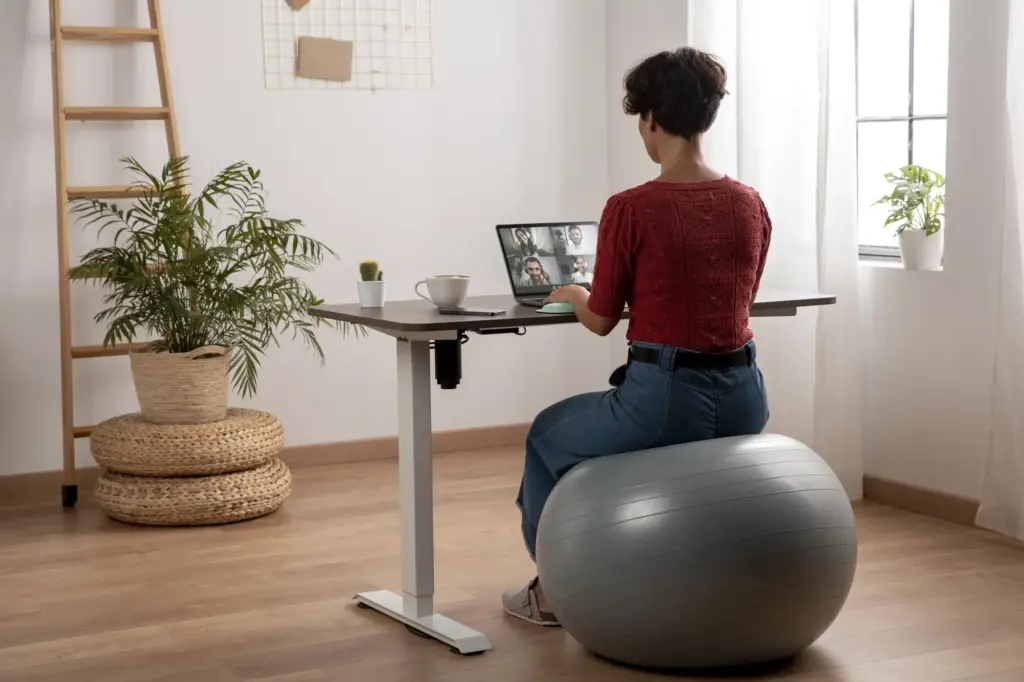
Why Motion Supercharges Each Pomodoro
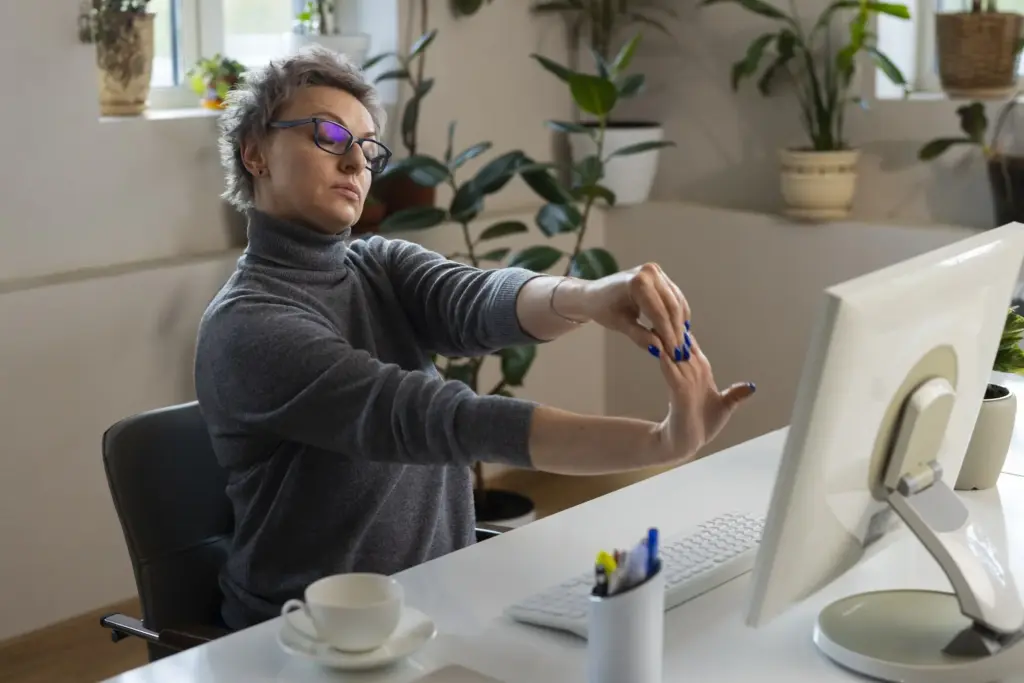
Short movement breaks act like oxygen for attention, refreshing cerebral blood flow and nudging the brain out of unhelpful ruts. When you interleave focused intervals with light mobility, you recruit physiology instead of fighting it. Research on ultradian rhythms shows performance climbs when we honor natural peaks and dips. A copywriter named Lina reported that a single minute of marching in place between intervals cut her afternoon rereads in half. Tiny resets reduce stickiness, tame mind-wandering, and return you to the next sprint with readiness instead of fatigue.

Designing Your Interval Game Plan

A smart plan fits your actual workload, not an idealized calendar. Choose a ratio that supports depth without draining you dry, then script movement that slides in without friction. The best protocol is one you repeat easily today and again tomorrow. Start with classic twenty-five and five, test fifty and ten for larger tasks, or try thirty-five and seven for meeting-heavy days. Keep a small menu of motions, timers you like hearing, and a boundary phrase for colleagues. Simplicity beats willpower when the day turns messy.

Micro-Moves for Desks, Corridors, and Corners

You do not need a gym to refresh attention. Choose motions that require zero equipment, little privacy, and almost no warm-up. The secret is variety across posture, breath, and eyes. Change something you have held still. Desk workers often freeze hips, spine, and gaze; your breaks should unfreeze them gently. Mix standing flows, corridor strides, and chair-based resets based on context. When your calendar crowds, shorter and snappier movements keep the promise alive. The more environments your routine fits, the more often you will actually use it.

Standing flows in sixty seconds

Slide the chair back, plant your feet, and run a quick circuit: reach tall, fold forward with soft knees, roll up slowly, then twist gently left and right while breathing. Add ankle circles and a playful calf bounce. Keep breath light and nasal to avoid dizziness. This flow hydrates tissues glued by sitting, lifts mood, and reminds your body it is not furniture. Because it finishes quickly, you never dread starting it. Share your go-to flow with teammates and compare favorites in chat for extra accountability.

Corridor power walks

Set a clear route to the kitchen, window, or stair landing and back. Walk briskly, eyes scanning far, then near, to relax fatigued focus. On the return, roll shoulders and unclench your jaw. If privacy allows, add a few heel-to-toe steps for balance. Corridor loops cool emotional spikes from spicy emails and reduce hurry-hurry noise in your head. They also anchor boundaries people observe: earbuds in, timer visible, loop sacred. Invite a colleague for one lap after a hard meeting to reset relationships and energy.

Chair-based mobility

For back-to-back calls, use subtle moves: seated cat-cow, figure-four hip stretch, thoracic rotations with hands on shoulders, and gentle wrist flossing. Pair each motion with a longer exhale to drop tension. Keep your camera off or frame from shoulders up if needed. These micro-adjustments keep circulation alive when you cannot stand. Over a day, the difference accumulates: fewer neck headaches, steadier typing speed, and a kinder mood. Keep a printed checklist under your keyboard so a choice is always at hand during breaks.

Environment Cues That Keep You Honest
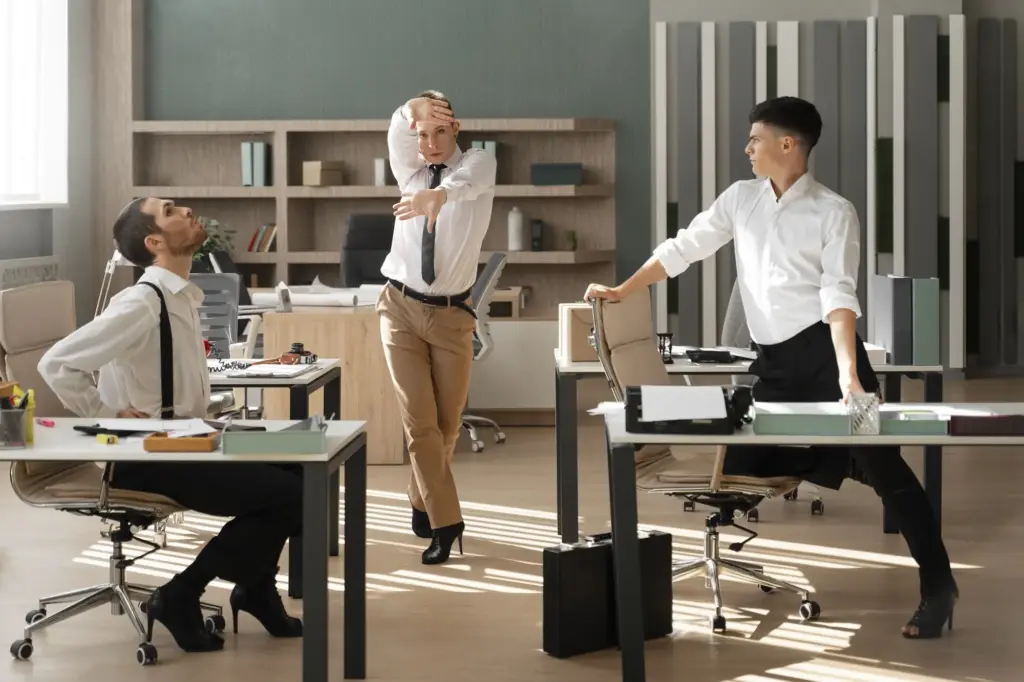
Your space can either sabotage or support movement-rich intervals. Make the desired action visible, easy, and satisfying. Keep a soft ball for grip resets, a timer you enjoy hearing, and a clear patch of floor beside the chair. Place a sticky note with your two favorite stacks at eye level. Hang a bright band on the doorknob to remind you to walk. Align your screen at eye height to invite tall posture. These small nudges reduce micro-friction that otherwise steals breaks and blunts the next sprint.

Visible triggers and tactile anchors

Place tangible prompts where your gaze naturally lands when the chime sounds. A water bottle cap resting on your keyboard, a brightly colored lacrosse ball, or a mini whiteboard checklist turns intention into action. Tactile anchors work when motivation dips because they bypass negotiation. When your fingers meet the object, the routine begins. Over time, these relics become story pieces that coworkers ask about, opening gentle conversations about focus hygiene. Swap or rotate objects monthly to keep freshness high while preserving the comforting sense of ritual and reliability.

Soundscapes and timers that motivate

Pick a timer tone you like enough to obey. Pair work blocks with a consistent ambient track—rain, soft lo-fi, or light piano—and reserve silence for breaks. This contrast becomes a Pavlovian lane change for attention. If you share space, use a vibration puck in your pocket or smartwatch haptics. Consider a light that glows during sprints and dims at breaks to signal status without words. When your soundscape feels welcoming, you start more often, restart faster after bumps, and keep your cadence steady through unpredictable days.

Team Energy and Accountability

Tracking, Tweaking, and Staying Playful

Simple metrics that matter

Use a pencil, sticky note, or phone widget to tick intervals, confirm breaks, and rate focus from one to five. Three numbers teach plenty. Over a week, patterns speak: mornings shine, or meetings blunt sprints. Avoid complex dashboards until the habit stabilizes. When data whispers, adjust with humility. More than anything, respect the break checkbox. Completing it predicts next-block quality better than raw minutes logged. Simplicity prevents tracking from becoming a new procrastination hobby and preserves your best attention for the real work that deserves it.

Weekly retrospectives

On Friday, review highlights, friction points, and one experiment to run next week. Did a corridor loop calm anxious loops? Did shoulder circles revive late afternoon writing? Keep notes short, honest, and solution-centered. Share a two-sentence recap with a friend or team channel for gentle accountability. Retrospectives prevent quiet backsliding and help your routine evolve with seasons, projects, and travel. They also protect confidence by zooming out from any single rough day to a truer picture of progress, perseverance, and surprisingly resilient attention.

Gamify recovery and rewards

Make breaks satisfying. Add a sticker after five flawless resets, or queue a favorite song for the tenth. Use a deck of movement cards to draw surprises. Create a playful rule: no scrolling until the stack is done. Pair a small end-of-day treat—sunlight, book page, or tea—with a completed log. Play turns discipline into invitation. When recovery feels like a prize rather than a penalty, you defend it fiercely, and every following sprint launches cleaner, brighter, and kinder to the body that does the work.
Davonexonilovexoxarilivo
Privacy Overview

This website uses cookies so that we can provide you with the best user experience possible. Cookie information is stored in your browser and performs functions such as recognising you when you return to our website and helping our team to understand which sections of the website you find most interesting and useful.